


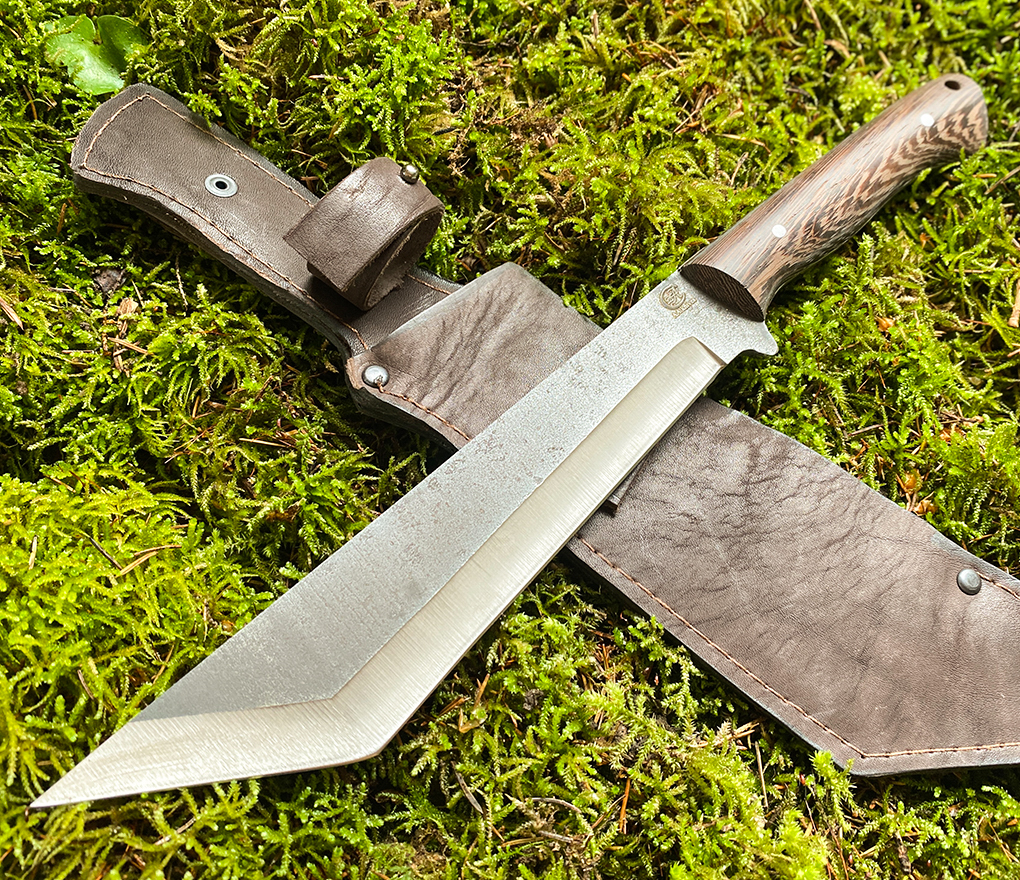
Three-edged blade: how to choose and care for a replica of an ancient Latvian blade
If you’re looking for something more than just an ordinary knife for your collection, the Trejasmens is one of the most interesting examples of how history and craftsmanship come together in a single piece. The form of this ancient Latvian weapon is known from archaeological finds, and this modern replica allows you to explore it more closely—as a collector’s item and historical artifact, rather than for use in battle. In this article, you’ll learn what to look for when choosing such a historical blade and how to care for it properly so that it will last for decades.
In short: the most important thing to know about Trejasmens-type products is that they are both replicas of historical artifacts and functional blades made of specific steel with wooden handles —therefore, they require the same care as any other high-quality knife, but with additional attention to details related to their historical design.
What is Trejasmens, and where does its shape come from?
The word “Trejasmens” refers to a weapon with three blade surfaces, and this distinctive shape is attributed to the Latgalians. A similar weapon—the “skramasax”—was also known in the territories of Estonia and Finland. Archaeological evidence from the Middle Iron Age (8th century) and Late Iron Age (13th century) indicates that blades of this type were widespread in the historical territory of Latvia for a long period. Today, this design is sold as a historical replica—a visually striking and evocative collector’s item for those interested in ancient crafts and folk history.
Why was blade length historically customized?
An interesting fact about blades of this type is that it was traditionally believed that the ideal length corresponds to the length of the owner’s forearm, thus making the weapon a sort of “extension of the arm.” Today, this is more of a historical and cultural note than a practical guide to use, but it clearly illustrates how thoughtfully ancient craftsmen tailored the blade’s proportions to the human body.
What to Look for When Choosing a Replica of a Historical Weapon for Your Collection
Not all replicas are of the same quality. When choosing this type of product, it is advisable to pay attention to the following:
- Type and hardness of steel —make sure to check what type of steel is used and what its hardness is, as this affects both the blade’s durability and its maintenance requirements.
- Handle attachment —in a high-quality replica, the handle is firmly and securely attached to the blade, with no looseness or wobble.
- Sheath Construction — The leather sheath must be neatly sewn and precisely shaped to fit the blade so that the blade is held securely in place.
- Visual fidelity to the historical original —if you purchased the item as a historical replica, assess how faithfully its characteristic form has been reproduced.
For example, the ancient Latvian weapon and tool—“TREJASMENS” —features a forged U10 carbon steel blade, an African wenge wood handle, and a leather sheath included in the set —this is a good example of what a well-thought-out interpretation of a historical design looks like.
Caring for Carbon Steel – How to Protect the Blade from Rust
Forged carbon steel (in this case, U10, with a specified hardness of 58–59 HRC) produces a sharp and durable cutting edge, but compared to stainless steel, it is more sensitive to moisture. To ensure the blade lasts a long time:
- After each use or touch, wipe the blade with a dry, clean cloth.
- If the blade has been exposed to moisture, be sure to dry it thoroughly before storing it.
- From time to time, coat the blade with a thin layer of knife oil—this creates a barrier against moisture in the air.
- Do not store the blade in a closed leather sheath for an extended period of time if the sheath is not completely dry, as the leather can trap moisture.
These principles apply to any carbon steel blade, but in the case of a replica of a historical design, they are even more important, since such an item is more often kept as a display piece rather than used in everyday life, so signs of rust may go unnoticed for a long time.
Care for Wooden Handles and Leather Covers
African wenge wood is a dense and durable material, but it also requires a little care to maintain its appearance and prevent the wood from drying out. From time to time, you can lightly oil the handles with wood oil, applying a thin layer and wiping off any excess. A similar approach works for the leather cover—use a leather conditioner from time to time to prevent the leather from becoming brittle and cracking, especially if the product is stored in a dry, heated room.
Storage and Display in the Collection
If you plan to display a Trejasmens-style item as part of a collection or as a decorative piece, keep a few simple principles in mind:
Avoid direct sunlight
Prolonged exposure to sunlight can cause the wooden handle and leather cover to fade, so it’s best to choose a display location with diffused lighting.
Controls the humidity in the room
High humidity accelerates rust formation on carbon steel and can also have a negative effect on the skin. If the room has a humid climate, consider placing a packet of silica gel near the casing.
Choose a sturdy tripod or stand
Historical-style blades are often displayed horizontally or on a wall-mounted stand—make sure the mount is secure and does not put pressure on the handle or sheath.
Common Mistakes When Choosing a Historical Blade for a Collection
- The choice is based solely on appearance, with no regard for the material or workmanship.
- Forgetting that carbon steel requires regular, albeit minimal, maintenance.
- Prolonged storage in a damp leather case without inspection.
- Failure to take into account whether local regulations regarding knives and their purchase, possession, or transport—which vary from country to country— so it’s always a good idea to check the current regulations in your country.
The three-edged knife is a good example of how a historical object can become a practical and inspiring collector’s item, provided it is given the proper attention—both at the time of selection and in its daily care. A little time spent caring for the blade, handle, and sheath pays off by ensuring that the item retains its appearance and story for many years to come.
Frequently Asked Questions
Is the Trejasmens meant for use or just for a collection?
The three-edged sword is a replica of a historical design that is most often purchased as a collectible or decorative item. Regulations regarding the purchase, possession, and transportation of blades vary by country, so it is recommended that you check your country’s current regulations before making a purchase.
What kind of steel was used for the Trejasmens blade?
The blade is made of forged U10 carbon steel with a specified hardness of 58–59 HRC. This type of steel allows for a sharp cutting edge but requires regular rust prevention maintenance.
How can you protect a carbon steel blade from rust?
After use or handling, wipe the blade dry; for long-term storage, it is recommended to apply a thin layer of knife oil and avoid storing it in a damp environment or a damp sheath.
How do you care for African wenge wood handles?
From time to time, you can lightly oil the handles with wood oil to prevent them from drying out and to preserve their appearance. After oiling, always wipe off any excess with a dry cloth.
What is the proper way to display this type of blade in a collection?
It is recommended to choose a location with diffused lighting, avoiding direct sunlight, and to ensure a stable, secure mount that does not press against the handle or the leather cover.
An Ancient Latvian Weapon and Tool – “TREJASMENS”
 No products in the cart.