
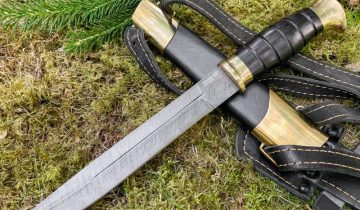
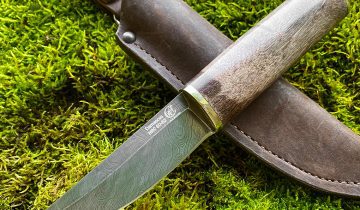
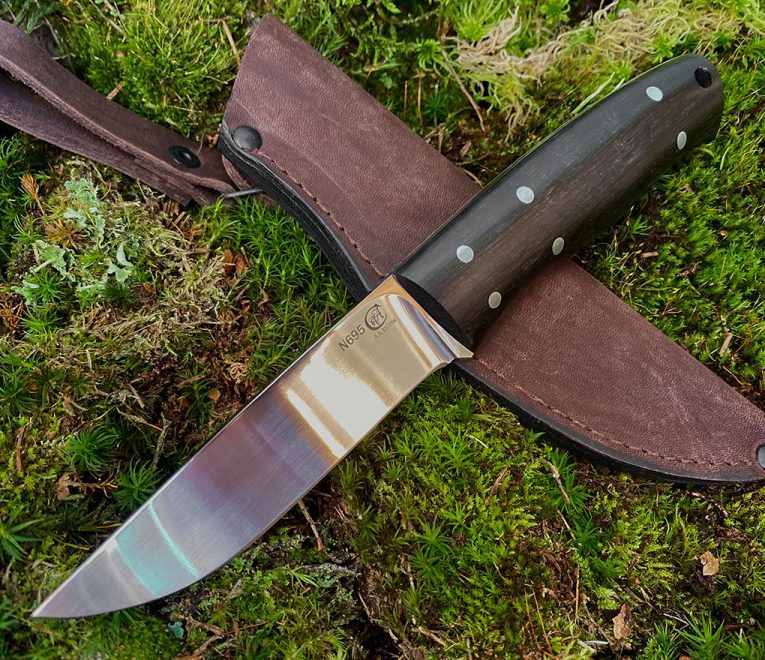
Damascus Steel Blade “GRAF” – What the Pattern Reveals About Forged Steel
Why the Damascus steel blade pattern is more than just beauty – it’s the result of hundreds of forging cycles and an insight into the craftsmanship behind every layer.


Why the Damascus steel blade pattern is more than just beauty – it’s the result of hundreds of forging cycles and an insight into the craftsmanship behind every layer.
Three steel types, three completely different characteristics. Learn which knife suits each situation best and how to choose in the shop.
A knife is one of those gifts that either gets used for years or ends up forgotten in a drawer. The difference comes down to a few choices you need to think through before making the purchase.
Most people cut the way they once learned by chance – and then wonder why the result is uneven or why their hand hurts after ten minutes. Cutting is not a talent you’re born with. It’s a technique with specific principles, and once you master them, kitchen work becomes faster, safer, and more enjoyable.
Should you wash your knife under running water or simply wipe it clean? The answer is not universal — and that’s why knife blades are often unintentionally damaged from poor care habits.
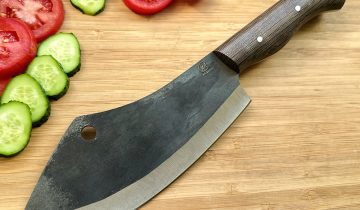
A heavy cleaver-type knife looks impressive, but it is often purchased and used incorrectly. We examine the common mistakes buyers make and what to do instead.
Most knife injuries come not from a sharp blade, but from dull edges and poor habits. Five specific principles for working with knives safely at home and in the workshop.
Hardness doesn’t exclude breaking, and soft steel doesn’t guarantee safety. We explain what steel hardness, toughness, and edge retention really mean when choosing a knife.
In the kitchen, one sharp knife and a stable cutting board are enough. In the field, by the river, or at a hunting site, the situation is different—no electricity, no running water, and limited time. Here’s what really matters.
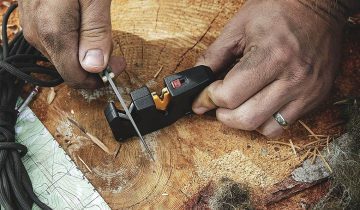
A hunter in the field suddenly finds his knife sliding across skin instead of cutting through it. That’s the sign it’s time not just to hone, but to truly sharpen. We explain the difference and how to do it correctly.

 No products in the cart.