


7 Fall Tasks Where Only a Sharp Knife Makes the Difference
The grill is smoking in the yard, a basket full of mushrooms sits on the table nearby, and in the garage your hunting backpack is already packed for the autumn hunting season. Each of these tasks demands a different blade, a different technique, and a different approach to your knife. If your knife hasn’t been sharpened in recent months, you’ll discover this in the most inconvenient moment—when you need to slice meat precisely or remove a mushroom from the ground with a single stroke.
Why Knives Wear Faster in Fall
During summer, many knives sit unused in a drawer, but in fall the workload increases dramatically—grilling, making preserves, processing hunting trophies, cleaning mushrooms and berries. Each task stresses the blade differently: one rubs against a hard surface, another contacts acidic juices, a third works with hard tissue and bone. As a result, the edge becomes irregular within weeks rather than months.
1. Grilling Knife—Long and Sturdy
For slicing meat before and after grilling, you need a longer blade with a strong spine. A sharp edge reduces the pressure needed for a cut, so the meat’s fibers don’t get crushed and the juices stay inside. If the knife is dull, cutting becomes jerky, and the table or cutting board gets dirtier with meat juices than necessary.
2. Mushroom Picker’s Knife—Short, with or without a Hook
For mushroom picking, a small folding or fixed blade with a pointed tip works well, convenient for getting under the mushroom cap. Here, the degree of sharpness matters less than the blade shape and a comfortable handle, since the work is prolonged and repetitive. However, if the edge is dull, the mushroom gets crushed instead of cut, accelerating its spoilage.
3. Hunting Knife—Durability Under Load
During hunting season, the blade must handle skin, sinew, and bone. Here it’s especially important to maintain the correct sharpening angle, as an overly sharp but fragile point will quickly break when meeting hard tissue. Many hunting knives are sharpened at a wider angle for this exact reason—to make the edge more durable rather than just razor-sharp.
4. Kitchen Knife for Holiday Preparation
As fall and winter holidays approach, kitchen workload increases—more vegetables, more meat, more time at the cutting board. A dull knife during this period isn’t just inconvenient, it’s a safety risk—greater pressure on the board means greater chance of slipping. Regular sharpening before major cooking tasks reduces effort and improves cut precision, especially important when making thin slices or filleting fish.
5. Why Angle Matters More than Frequency
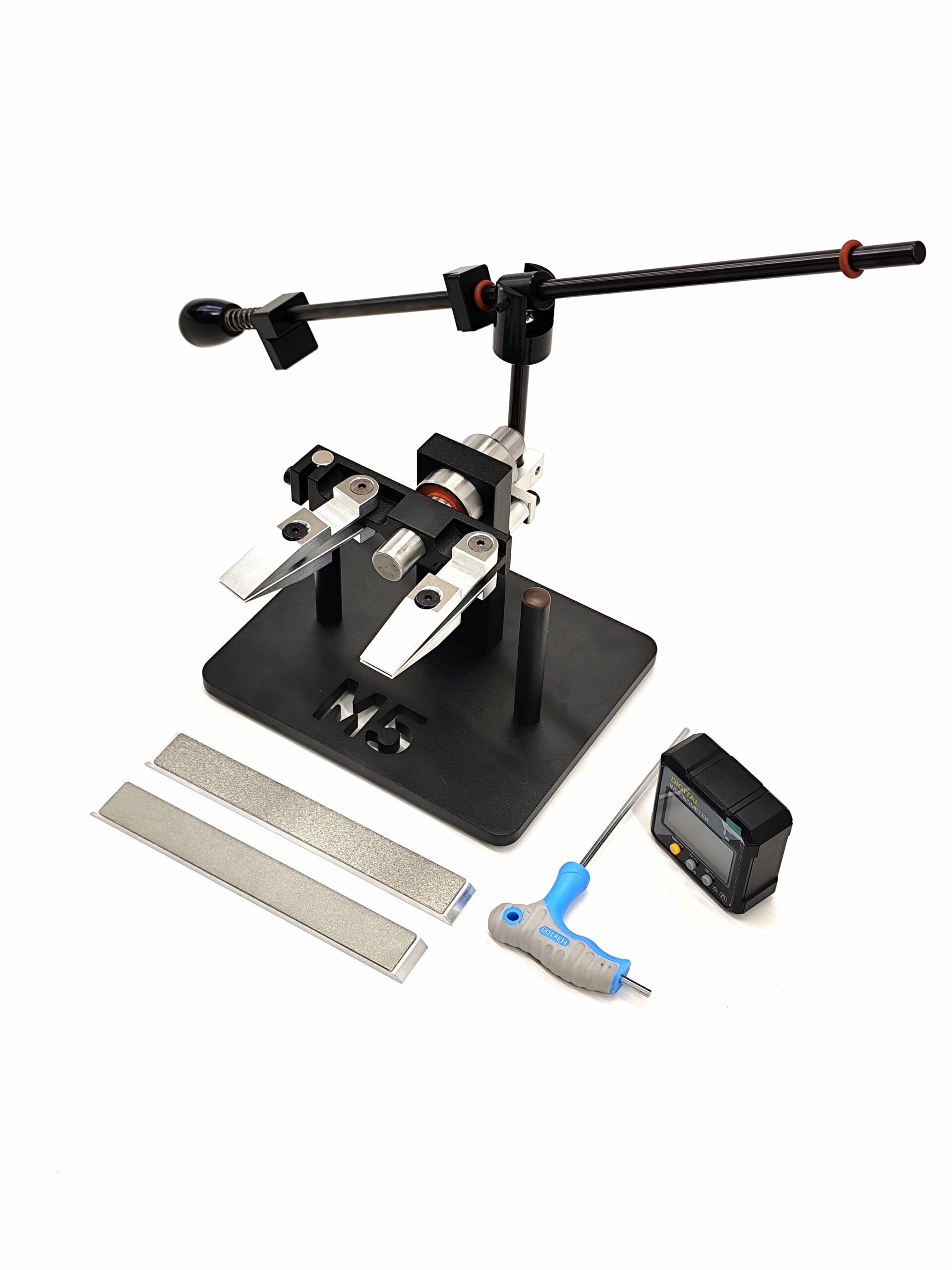
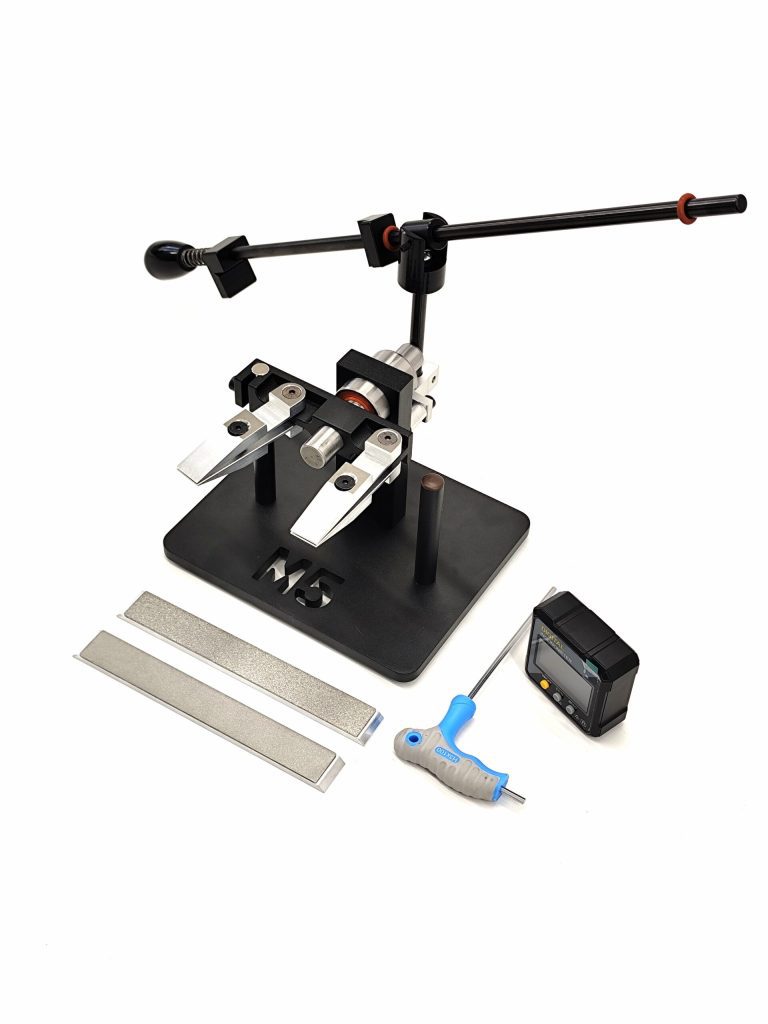
Many people sharpen their knives too infrequently, but even worse is changing the angle every time they pick up a sharpening steel. An inconsistent angle creates an uneven edge that dulls quickly. This is exactly why systems that fix the blade are useful, allowing you to turn it without changing the set angle—for example, Knife Sharpening System “Kazak M5” maintains a single angle across the entire blade length, which is especially useful if you have several different types of knives at home—kitchen, hunting, and folding knives.
6. Care Between Seasonal Tasks
After each use, dry your knife immediately, especially after contact with mushroom or berry juice, as acids accelerate rust formation on the blade. Storing a knife in an open container with other metal items damages the edge faster than the cutting work itself. Better to use a magnetic strip, wooden block, or a separate sheath for each knife.
7. When to Sharpen and When to Just Hone
Not every time requires a full sharpening cycle. If the knife still cuts but you feel slight resistance, a ceramic or fine-grit rod is enough to realign the edge. Full sharpening with coarser grit is needed only when the edge is noticeably rounded or shows chips—this usually happens after working with bone or hard surfaces, such as at the start of hunting season.
| Task | Recommended Blade Type | Main Requirement |
|---|---|---|
| Grilling | Long, sturdy blade | Clean, even cuts |
| Mushroom picking | Short, pointed or hooked | Comfortable form, long-term use |
| Hunting | Durable, wider angle | Durability against bone and skin |
| Holiday kitchen | Universal kitchen knife | Precision and safety |
Fall is the season when your knife works the hardest and is tested in the most diverse conditions. By investing time in regular sharpening and proper storage, you’ll save far more time in the actual work—whether that’s at the grill, with a mushroom basket, or processing a hunting trophy.
Frequently Asked Questions
How often should knives be sharpened in fall?
It depends on usage intensity—a kitchen knife used daily needs honing every 1-2 weeks, while hunting and mushroom picker's knives need sharpening before and after intensive use.
Can the same knife be used for both hunting and kitchen work?
Technically yes, but it's recommended to keep hunting knives separate for hygiene and edge preservation reasons, as working with bone and skin dulls the blade faster than kitchen tasks.
Why does a knife become dull faster after mushroom picking?
Mushroom and plant juices contain substances that can accelerate oxidation of the blade surface, so the knife should be dried and wiped immediately after use.
What sharpening angle is suitable for a hunting knife?
Hunting knives often use a slightly wider angle than kitchen knives to make the edge more durable against bone and hard tissue—the exact angle depends on the specific blade and manufacturer recommendations.
Is a fixed-angle sharpening system better than freehand sharpening?
A fixed-angle system helps maintain an even edge across the entire blade length, which is especially useful for people who sharpen less frequently or work with multiple different knives.
Knife Sharpening System “Kazak M5”
 No products in the cart.