


How to Care for Your Knife Properly So It Lasts for Years
A good edge isn’t just about quality steel – it’s also about habits that form in the first weeks after purchase. Many knives wear out not from use, but from improper storage and washing. This guide shows you how to establish a routine you’ll actually stick to.
\n\n
How to properly wash your knife after use?
\n
Wash your knife immediately after use with warm water and a soft brush, never putting it in the dishwasher. High temperatures, steam and aggressive cleaning products damage both the blade and the handle – especially if the handle is made of rubber or wood. Fats and acidic products, such as citrus or tomatoes, can accelerate oxidation, so never leave the blade soaking in water for extended periods. If you’ve worked with fish or game, wipe the blade more carefully – protein residues on steel can cause localized corrosion even in stainless steel.
\n\n
Why does the blade start to rust even though it’s stainless steel?
\n
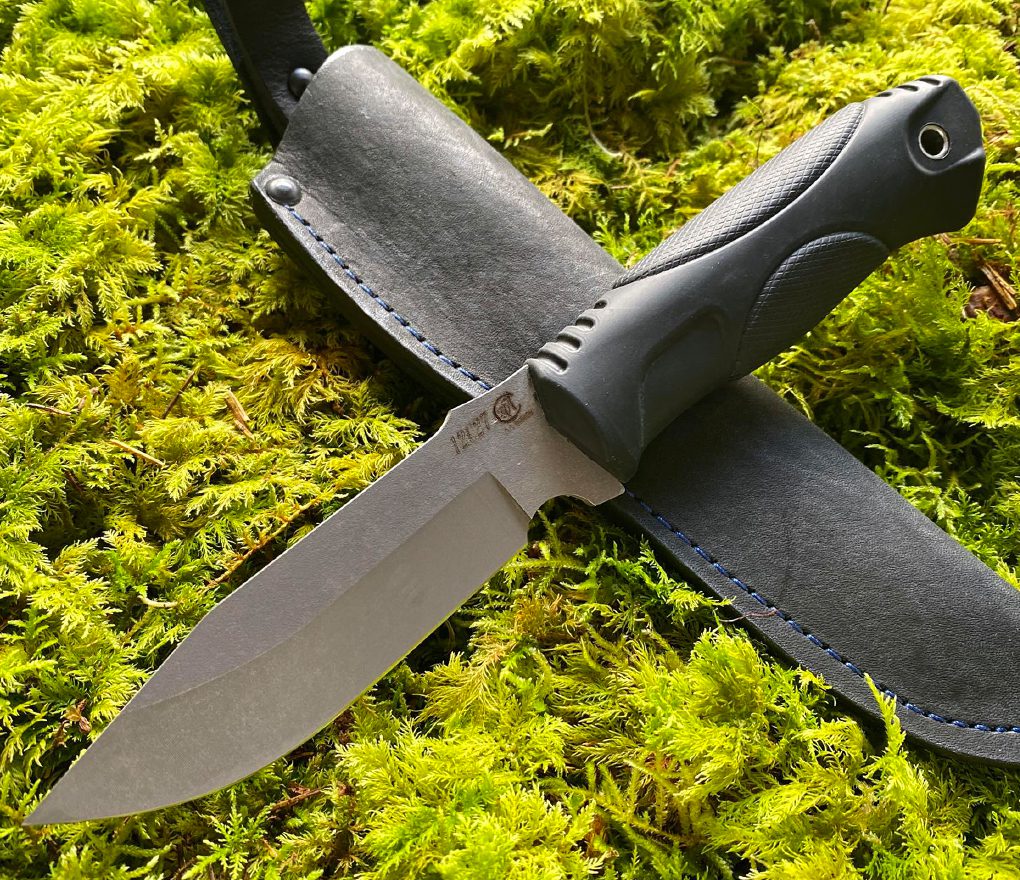
Stainless steel doesn’t mean “rust-proof” – it just oxidizes more slowly than regular carbon steel. For example, forged stainless steel Sandvik 12C27, from which Knife ”TACTIC KNIFE” made of good forged stainless steel Sandvik 12C27 is made, contains chromium additives that slow down corrosion, but moisture, salt and neglect can still cause spots. The most common cause is storing the blade in a bag or pouch while wet – that’s where condensation forms and slowly eats away at the metal week after week.
\n\n
How to properly dry your knife to prevent corrosion?
\n
Dry your knife immediately after washing with a soft cloth, moving from the spine towards the edge, not the other way around. Don’t leave it in a drying rack or on a towel to air dry – a water droplet left near the edge can leave a spot in just a few hours, especially if the water is hard or has a high mineral content. After drying, apply a thin coat of knife oil or even neutral mineral oil to the blade – this creates a protective layer that repels moisture.
\n\n
Where is the best place to store your knife between uses?
\n
Store your knife in a dry, well-ventilated place – in a wooden block, on a magnetic strip or in a pouch made from breathable material such as leather or cloth. Plastic or tight leather pouches that don’t allow air to circulate are one of the most common causes of rust because condensation builds up in them. If you use your knife infrequently – for example, during hunting or hiking season – make sure it’s completely dry before storage and check it monthly to catch early signs of corrosion.
\n\n
What damages the blade the fastest in daily use?
\n
The blade is damaged fastest by cutting on hard surfaces – ceramic, glass or stone countertops – because such contact quickly dulls the edge and can cause microscopic nicks. The second common culprit is using the knife for unsuitable tasks: unscrewing bolts, opening boxes, or using it as a pry bar. The third is improper cleaning with abrasive sponges that scratch the surface and promote further buildup of dirt and moisture in the scratches. Simple principle: a knife is for cutting, not hitting or breaking.
\n\n
How often should you sharpen your knife to maintain its performance?
\n
Frequency depends on how intensively you use it, but for most users, sharpening every few months and regular honing between uses is enough. Honing with a ceramic or steel rod straightens the microscopic irregularities of the edge and defers actual sharpening to a later time. If the blade steel hardness is moderately high, for example in the 56-58 HRC range, it holds its edge longer, but requires a more precise sharpening angle – usually about 15-20 degrees on each side. If you sharpen too infrequently, you start pressing harder when cutting, which increases accident risk and speeds up blade wear.
\n\n
What should you do if rust spots have already appeared on the blade?
\n
Clean minor rust spots with a soft abrasive paste or baking soda solution, rubbing them with a soft cloth along the blade direction, not across. Deeper corrosion can be reduced with a specialized knife cleaning product or a mixture of lemon juice and baking soda, which you apply for a few minutes before rubbing off. After cleaning, always dry the blade and apply oil – otherwise rust will return faster than before, because the cleaned surface is temporarily more vulnerable.
\n\n
What daily routine is actually easy to follow?
\n
Three steps after each use: rinse, dry, store in a dry place – it takes less than a minute and prevents most problems. Once a month, check the blade for rust signs and apply a thin coat of oil if you use the knife infrequently. Once a quarter, spend time on proper honing or sharpening – that’s all that’s needed for your knife to last for years, not months. A routine that takes less than five minutes a week is the only one people actually stick to.
Frequently Asked Questions About Knife Care
Can stainless steel knives rust?
Yes, stainless steel oxidizes more slowly, but it's not fully protected against rust if stored in moisture for long periods or not dried after washing.
Can you wash a knife in the dishwasher?
No, high temperatures, steam and aggressive detergents damage both the blade and the handle – it's better to wash by hand in warm water and dry immediately.
How often should you sharpen a knife?
For most users, full sharpening every few months is enough, while honing between uses can be done more often to maintain blade sharpness.
Where is the best place to store a knife – in a sheath or without one?
Use a breathable sheath made of leather or cloth, but make sure the blade is completely dry before placing it in, as a tight, non-breathable sheath promotes condensation and rust formation.
What is the most common reason a knife loses its edge quickly?
Cutting on hard surfaces such as ceramic or glass, as well as using the knife for unintended tasks, quickly dulls and damages the edge.
Knife ”TACTIC KNIFE” made of good forged stainless steel Sandvik 12C27
 No products in the cart.